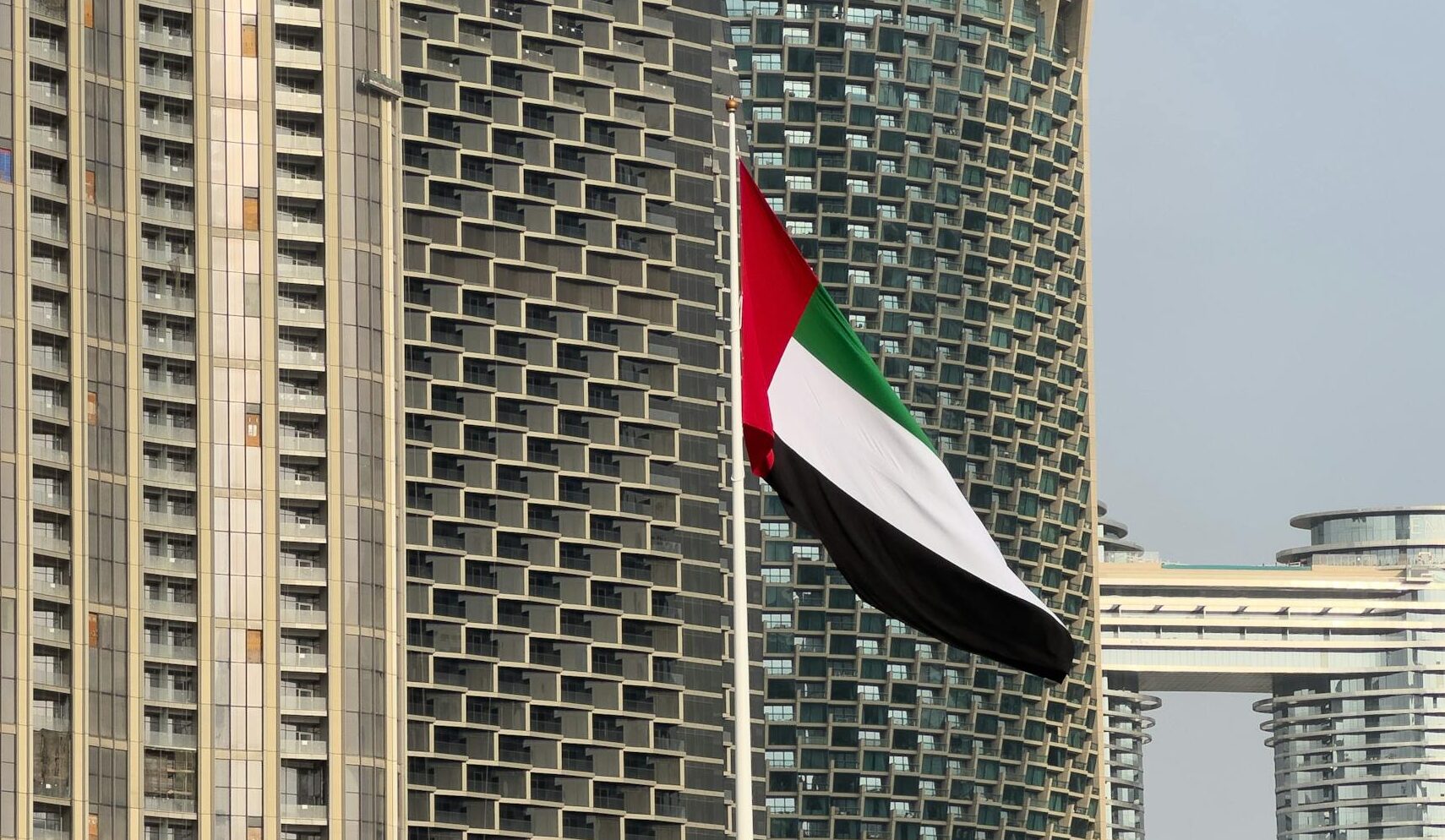
Planning a trip, business assignment, or long-term stay in the United Arab Emirates (UAE) requires a clear understanding of the UAE visa application process. Whether you’re visiting Dubai, Abu Dhabi, or any of the other Emirates, knowing the correct visa type and requirements ensures a smooth and stress-free experience. The UAE attracts millions of visitors every year for tourism, employment, study, and investment, making it essential to prepare your application carefully.
The UAE visa application procedure varies depending on your nationality, travel purpose, and duration of stay. Some travelers are eligible for visa-free entry or a visa on arrival, while others must apply in advance through an online portal, airline, or authorized sponsor. Before starting, you should confirm your visa eligibility and review the latest requirements published by the Federal Authority for Identity, Citizenship, Customs, and Port Security (ICP) or the General Directorate of Residency and Foreigners Affairs (GDRFA).
When completing your UAE visa application, accuracy and attention to detail are vital. You’ll typically need to provide a valid passport, recent passport-sized photos, confirmed flight tickets, and proof of accommodation. Depending on the visa type—tourist, business, work, or residence—additional documents such as a company invitation, employment contract, or sponsor ID may be required.
The UAE government has streamlined the UAE visa application process through digital platforms, allowing applicants to submit, pay fees, and track their status online. Once approved, most visas are issued electronically, making it convenient for travelers to print or save their e-visa before departure. By understanding each step and ensuring compliance with requirements, you can enjoy a hassle-free entry into one of the world’s most dynamic destinations, whether for business, leisure, or long-term opportunities.
Determine the Right UAE Visa Type
Before you begin your UAE visa application, it’s essential to identify the correct visa category that aligns with your travel purpose. The United Arab Emirates offers multiple visa options to accommodate visitors, professionals, students, and investors. Choosing the right type ensures your UAE visa application is processed efficiently and avoids unnecessary delays or rejections.
Tourist Visa: Designed for short visits, this visa allows travelers to explore the UAE for leisure, holidays, or family visits. Tourist visas are typically valid for 30 or 90 days and can sometimes be extended for an additional stay. It is one of the most commonly used categories in the UAE visa application process.
Transit Visa: If you’re passing through the UAE en route to another destination, you may need a 48-hour or 96-hour transit visa. Airlines such as Emirates and Etihad often assist passengers in obtaining this visa.
Business Visa: This visa is ideal for attending meetings, conferences, or short-term business engagements. It supports professionals who need temporary access to the UAE for commercial purposes.
Employment Visa / Work Permit: For foreign nationals who have secured a job offer from a UAE-based employer. This visa allows you to live and work in the UAE legally and is a key part of many long-term UAE visa applications.
Investor or Partner Visa: Granted to individuals investing in or establishing businesses in the UAE. It provides residency benefits and supports business owners’ long-term plans.
Student Visa: For those admitted to accredited UAE universities or colleges.
Residence or Long-Term Visa: For expatriates who plan to live in the UAE for work, family reunification, or investment. Choosing the correct visa ensures your UAE visa application reflects your true purpose and increases your approval chances.
Check Eligibility
Before submitting your UAE visa application, it’s crucial to confirm that you meet all eligibility criteria for your chosen visa type. Each category—whether tourist, business, employment, or residence—has unique requirements, and fulfilling them accurately increases your chances of approval.
Valid Passport:
You must hold a passport valid for at least six months from your intended date of entry. Passports with shorter validity periods may result in delays or rejection of your UAE visa application.
Financial Means or Sponsorship:
Applicants should demonstrate sufficient financial resources to cover their stay or present sponsorship details from a UAE-based company, family member, or institution. Proof of funds or a sponsor letter assures immigration authorities that you can support yourself during your visit.
Completed Visa Application Form:
Every applicant must submit a fully completed visa form. Ensure all information provided is accurate and matches your passport and supporting documents. Incomplete or inconsistent entries can slow down your UAE visa application process.
Health and Travel Insurance:
Certain visa types require proof of travel or health insurance valid in the UAE. This is especially important for long-term visas, as it covers any medical emergencies during your stay.
Health and Character Requirements:
Applicants may need to undergo medical tests or provide police clearance certificates, especially for employment or residence visas. This step ensures that those entering the country meet public health and safety standards.
Job Offer or Sponsorship for Long-Term Visas:
If you are applying for a work or residence visa, you’ll need an official job offer or a sponsor from a licensed UAE employer. Meeting these requirements ensures your UAE visa application proceeds smoothly and without unnecessary delays.orship from a UAE employer, or proof of investment/family connection.
Gather Required Documents
Before submitting your UAE visa application, you must gather all the required documents carefully to ensure a smooth and timely approval process. Missing or incomplete paperwork is one of the most common reasons for visa delays, so preparation is key.
Valid Passport:
Ensure your passport is valid for at least six months beyond your intended date of entry into the UAE. The passport should have at least two blank pages for visa stamping. Expired or damaged passports can cause your UAE visa application to be rejected.
Passport-Sized Photographs:
Provide recent, color passport photographs that meet UAE visa standards—typically with a white background and a clear, front-facing pose. Avoid wearing headgear unless for religious reasons.
Completed Visa Application Form:
Fill out the official visa application form accurately. Ensure all details—such as your name, date of birth, and passport number—match your travel documents. Inconsistent information can delay your UAE visa application.
Proof of Travel and Accommodation:
Include your confirmed flight itinerary and hotel booking. If staying with family or friends, provide an invitation letter and a copy of their Emirates ID or residence visa.
Financial Proof or Sponsor Letter:
Demonstrate your financial capacity through recent bank statements or include a sponsor’s guarantee letter from a UAE resident, company, or institution. This assures immigration authorities that you can fund your stay.
Health Insurance Documents:
Submit valid health or travel insurance, especially for long-term or employment visas.
Supporting Documents:
Depending on your visa category, attach additional papers such as an employment contract, university admission letter, or trade license. Preparing these documents thoroughly ensures your UAE visa application is processed efficiently and without unnecessary delays.ations.
Submit Your UAE Visa Application
After preparing your documents and confirming your eligibility, the next step is to submit your UAE visa application through one of the approved channels. The UAE government provides several convenient submission options to cater to different applicant needs.
You can apply directly through official UAE government portals such as the Federal Authority for Identity, Citizenship, Customs & Port Security (ICA) or the General Directorate of Residency and Foreigners Affairs (GDRFA) for Dubai. These online systems allow applicants to upload documents, pay fees, and track progress easily.
If you’re traveling with airlines like Emirates, Etihad Airways, or FlyDubai, they often provide visa processing services for eligible nationalities. This option simplifies the UAE visa application process, especially for tourists. Alternatively, you can submit your application through authorized visa agencies or licensed travel agents, who can help ensure your paperwork is accurate and compliant with UAE immigration rules.
Before submitting, double-check that all documents are complete, your passport meets validity requirements, and your photo matches visa specifications. Missing or inaccurate details can cause processing delays or rejection.
Once you’ve submitted your UAE visa application, you’ll need to pay the applicable visa fee, which varies depending on the visa type, duration, and nationality. Payment is usually made online via secure portals or through your authorized agent.
Typical fee ranges include:
- Tourist Visa: AED 350–1,000 depending on the length of stay
- Transit Visa: AED 120–250, valid for 48 to 96 hours
- Employment or Long-Term Residence Visa: Fees vary based on your sponsor, company type, or visa category
Remember, visa fees are non-refundable, even if your UAE visa application is rejected. Therefore, make sure all your information is correct before paying. Retain your payment confirmation as proof, as you may need it for future reference or appeals.
Wait for Visa Processing
After submitting your UAE visa application and payment, your application enters the processing stage. Processing time varies depending on your nationality, visa type, and the thoroughness of your submission.
- Tourist and Transit Visas: Typically processed within 1 to 5 business days
- Employment or Residence Visas: Can take 2 to 6 weeks, depending on document verification, background checks, or medical tests
During this period, you can track your application status online via the ICA or GDRFA portal using your reference number. In some cases, immigration officers may request additional documents or clarifications, such as proof of accommodation or financial support. Respond promptly to avoid delays.
Once approved, you’ll receive your UAE visa electronically or stamped in your passport, depending on the visa type. Most short-term visitors receive an e-Visa by email, which you should print and carry during your travel. For long-term or work visas, your employer or sponsor will typically handle visa stamping upon arrival.
Always verify the details on your visa—such as your name, passport number, visa type, and validity dates—to ensure accuracy. Any error must be reported immediately to the issuing authority before traveling.
If your UAE visa application is denied, the authority will inform you of the reason. You can usually reapply or appeal after correcting the issue, such as missing documents or insufficient proof of funds.
With careful preparation, accurate documentation, and timely follow-up, your UAE visa application can be processed efficiently—bringing you one step closer to your journey, career, or new life in the United Arab Emirates.e UAE.
Final Tips for a Smooth UAE Visa Application
- Apply well in advance of your travel date.
- Use official government portals or trusted visa agencies.
- Keep copies of your application, visa, and payment receipts.
- Follow all UAE immigration rules carefully.
- Monitor official updates on the UAE ICA or GDRFA Dubai websites.